

Key Takeaways
- There is no blanket ban on alcohol for most patients, but your old tolerance is not a reliable guide any more.
- Alcohol can worsen the nausea that semaglutide already causes for some people, especially in the days after a dose increase.
- If you take insulin or a sulfonylurea, alcohol adds a real low-blood-sugar risk and needs a specific conversation with your physician.
- Many patients simply want it less. That is a common report and an active area of research, not a promised effect.
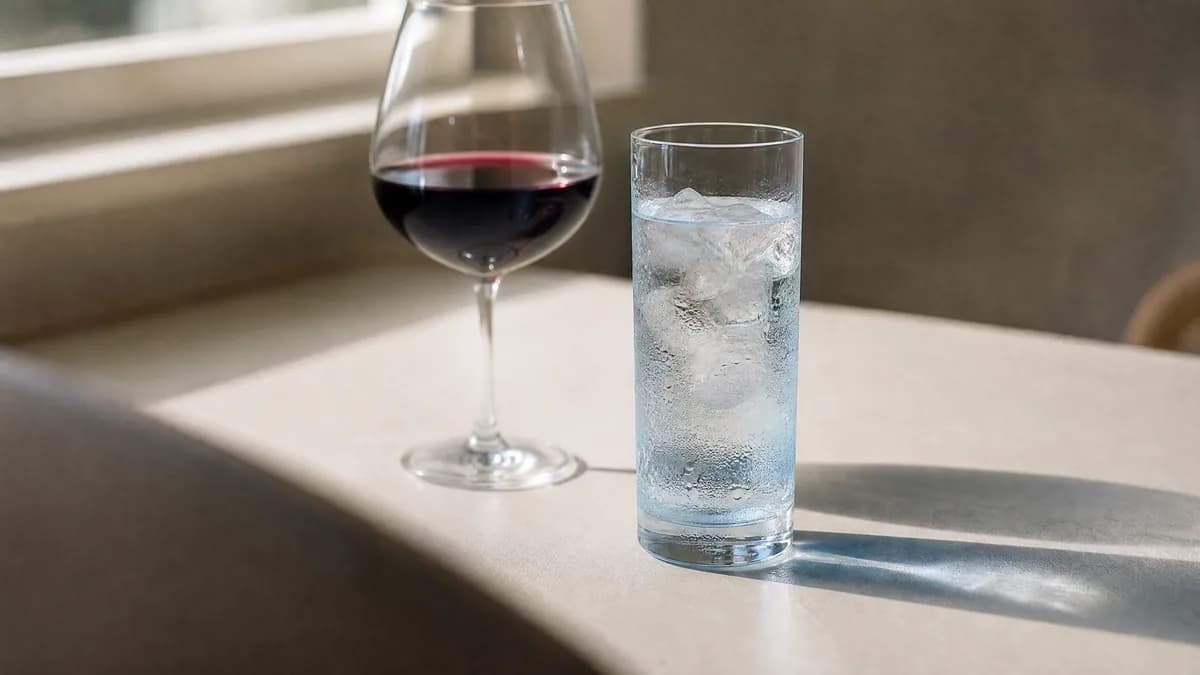
It is one of the most common questions we get at Fountain of Youth LC once someone is a few weeks into treatment, and it is usually asked a little sheepishly. There is a wedding coming up, or a Friday night that has looked the same way for twenty years, and nobody wants to be told to give it up. The honest answer is that semaglutide and alcohol is not a simple yes or no. For most patients there is no absolute prohibition, but several things have genuinely changed, and the sensible move is to understand what they are before you pour rather than after.
Why alcohol can hit harder than you expect
Two things change at once, and they push in the same direction. Semaglutide slows how quickly your stomach empties, which is part of how it keeps you feeling full. At the same time, most patients are eating meaningfully less than they used to. A drink landing in a smaller meal, in a stomach that is moving things along more slowly, is not the same experience as the one you calibrated your habits around.
The practical consequence is simple and worth taking seriously: treat your previous tolerance as out of date. Patients regularly tell us that two glasses now feel like what three or four used to, and the surprise tends to arrive on an evening when nobody planned for it. This matters most for driving. If you are used to judging by count rather than by feel, that method is no longer reliable.
Alcohol and the side effects you already have
Nausea is the most common side effect of semaglutide, and alcohol is a stomach irritant. Putting the two together is an obvious way to have a worse evening than you intended. The FDA-approved Wegovy prescribing information lists nausea, vomiting, diarrhea, and constipation among the most frequently reported reactions, and patients usually notice these most in the first weeks and after each dose increase.
That gives you a usable rule of thumb. The week you step up a dose is the week to leave it alone. Once you have settled at a dose and your stomach has stopped complaining, the picture is different. Our guide to semaglutide side effects covers what is expected and what is worth calling about.
Blood sugar, and who needs to be careful
Talk to your physician before drinking if you take any of these
- Insulin, in any form
- A sulfonylurea such as glipizide, glyburide, or glimepiride
- Any other medication your physician has told you can lower blood sugar
- Medication for liver or pancreatic conditions
Semaglutide on its own carries a low risk of hypoglycemia for most people. That risk rises when it is combined with insulin or a sulfonylurea, which is why the prescribing information addresses that combination specifically. Alcohol independently interferes with the liver's ability to release glucose, so stacking the two is where the genuine danger sits.
The part that catches people out is timing. A low can arrive hours later, often overnight, long after the drinking has stopped and while you are asleep. If you are on any of the medications above, this is not a detail to work out yourself. Bring it up at your next visit and get a plan.
What a few drinks do to your deficit
Alcohol carries about seven calories per gram, and they arrive without protein, fiber, or anything that keeps you full. On a plan built around a smaller appetite and adequate protein, those are the least useful calories available to you. The National Institute on Alcohol Abuse and Alcoholism defines one standard drink as roughly 12 ounces of regular beer, 5 ounces of wine, or 1.5 ounces of distilled spirits, which is a useful reference point because most poured drinks are larger than one standard drink.
The second effect is bigger than the first and less obvious. Alcohol loosens food decisions, and it does so at the hour of the day when you have the least resolve left. It also disrupts sleep quality, and poor sleep reliably makes appetite harder to manage the following day. If you are working to hold your protein up while you lose, our guide on protecting muscle on semaglutide explains why that matters more than the calorie arithmetic.
Why some people stop wanting it
A striking number of patients tell us, unprompted, that they have simply lost interest in drinking. The wine stops getting finished. The habit quietly falls away without any decision being made about it. It is common enough that we now expect to hear it.
Researchers are actively investigating why, and it is worth being precise about the status of that work: this is an area of ongoing study, not a settled finding and not an approved use of the medication. No one should start a GLP-1 for this reason, and we will not prescribe one for it. If you are worried about your own drinking, that deserves proper care in its own right rather than a hoped-for side effect, and we can point you toward it.
A sensible plan if you do drink
- 1Clear it with your physician first. Especially regarding the medication list above. This is a two-minute conversation at a visit you are already having.
- 2Not in a dose-increase week. Give your stomach the days it needs to settle before adding an irritant to it.
- 3Never on an empty stomach. Eat something with protein first, which matters more now that you are eating less overall.
- 4Start below your old normal and go slowly. Judge by how you feel, not by the count you used to trust.
- 5Water alongside, and arrange your ride in advance. Decide how you are getting home before the first drink, not after.
None of this is about white-knuckling through a life you do not want. It is about making the decision deliberately once, rather than discovering the answer by accident on a night out in Las Cruces.
Frequently asked questions
Can you drink alcohol while taking semaglutide?
There is no absolute rule against it for most patients, but alcohol can worsen nausea, add calories that work against your deficit, and affect blood sugar. Many patients find they want far less than before. The right answer depends on your medical history and any other medications you take, so decide it with your physician rather than from a blog.
Why does alcohol feel stronger on semaglutide?
Semaglutide slows how quickly the stomach empties, and people often eat noticeably less while taking it. Less food in the stomach and a slower transit can change how a drink feels compared with what you were used to. Treat your old tolerance as unreliable rather than assuming it still applies.
Does alcohol stop semaglutide from working?
Alcohol does not switch the medication off, but it works against the goal. It carries calories your body uses before it uses stored fat, it tends to loosen food decisions later in the evening, and it disrupts sleep, which affects appetite the next day.
Is it true that GLP-1 medications reduce the desire to drink?
Many patients report wanting alcohol less, and researchers are actively studying why. It is an area of ongoing investigation rather than a settled finding or an approved use, so it is not something to count on or to treat as a reason to start any medication.
What should I do before drinking on semaglutide?
Talk to your physician first, especially if you take insulin, a sulfonylurea, or any medication affecting blood sugar. If you are cleared to drink, do not do it on an empty stomach, keep water alongside, start with less than you used to, and pay attention to how you feel rather than how much is left in the glass.

Joanna Rachelson, MD
Physician at Fountain of Youth LC in Las Cruces, New Mexico, where the team provides physician-supervised medical weight loss, hormone therapy, and IV therapy. Read more about Dr. Rachelson.
Get an answer built around your history, not a general rule.
Our physicians in Las Cruces review your medications and your goals, then tell you plainly what fits your plan.
Disclaimer: This content is for informational purposes only and is not medical advice. Results vary by individual and are not guaranteed. Semaglutide is a prescription GLP-1 medication that requires a physician evaluation, is not appropriate for everyone, and can cause side effects. Nothing here is guidance on alcohol use for anyone with a history of alcohol use disorder, liver disease, or pancreatitis. Before starting, changing, or stopping any treatment, consult a licensed healthcare provider.